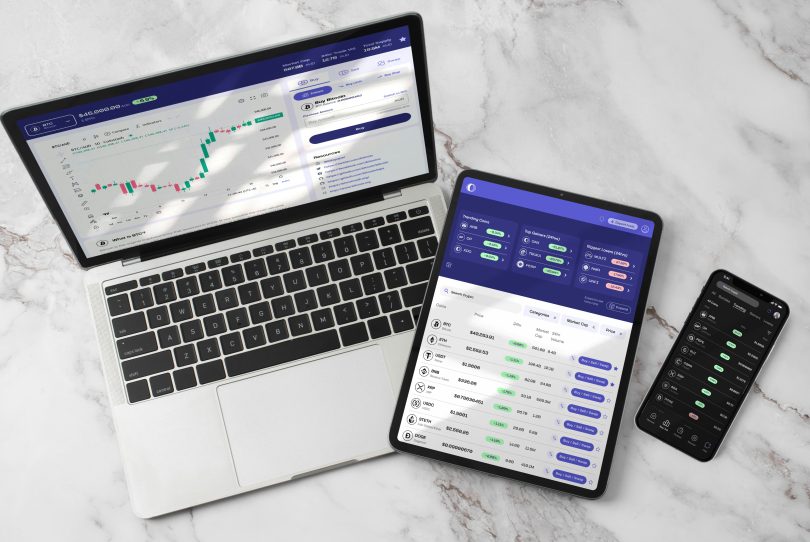

Choosing a broker is an important step, and having the right information makes the process much easier. With so many options available, it helps to see key details clearly and compare them side by side before making a decision.
Broker comparison platforms are there to guide you through this. They break down fees, safety, features, and usability in a structured way, so you can quickly understand what each broker offers and how they differ.
You’ll find five broker comparison platforms that stand out for their clarity, reliability, and ease of use. Each one offers something slightly different, so you can pick the one that fits you best.
- BrokerChooser
BrokerChooser stands out as one of the most reliable and user-friendly broker comparison platforms available today.
It stands out for combining expert reviews with a strong data-driven approach built on over 10 years of continuous testing and improvement.
The platform has collected close to 200,000 data points, helping ensure consistent and accurate comparisons. This depth of data makes it easier for users to trust the rankings and make informed decisions.
BrokerChooser also puts a strong focus on safety, with a scam broker directory that tracks more than 43,000 unregulated or high-risk entities.
Altogether, its database includes over 170,000 verified data points and continues to grow every day.
Despite all this, the platform remains simple and easy to use, making it accessible even if you’re just getting started.
Pros:
- Large and continuously updated database.
- Strong focus on safety and regulation.
- Easy-to-use, beginner-friendly interface.
Cons:
- Less coverage of niche brokers.
Best for:
Beginners and intermediate investors who want clear and trustworthy comparisons without unnecessary complexity.
- Banker On Wheels
Banker On Wheels is a well-known platform built around long-term investing, ETFs, and passive strategies. It’s widely used by European investors who prefer steady portfolio growth over frequent trading.
What makes it stand out is how it explains complex topics in a clear and practical way. Subjects like portfolio allocation, broker fees, and tax considerations are broken down into simple, easy-to-understand insights. The content feels structured and accessible, making it easier to follow without feeling overwhelmed.
The platform also offers clear broker comparisons designed with long-term strategies in mind, along with educational content that helps users build and manage their portfolios step by step.
Pros:
- Excellent ETF and passive investing insights.
- Strong educational content.
- Clear comparisons for long-term strategies.
Cons:
- Some content can be opinion-based.
Best for:
Investors interested in ETFs, passive income, and long-term portfolio growth.
- Brokersfinder
Brokersfinder is built for speed and simplicity, making it a practical choice if you don’t want to spend hours researching. It helps users quickly filter and compare brokers based on key factors like fees, available assets, and account types.
The platform keeps the experience straightforward, with a clean layout and minimal distractions. You can narrow down options in just a few clicks, which is useful when you already know what you’re looking for.
While it may not go as deep as some other platforms, it does exactly what many users need: delivering quick, efficient comparisons in a compact format.
Pros:
- Fast and simple comparison tools.
- Clean interface with minimal clutter.
- Helpful filtering options.
Cons:
- Less in-depth analysis than some competitors.
Best for:
Users who want quick answers and fast broker comparisons and prefer direct information.
- Trading Brokers
Trading Brokers offers a wide range of broker reviews, covering forex, CFD, and crypto platforms. It’s a useful option if you want to explore different types of brokers in one place and compare what’s available across markets.
The platform brings together many global brokers, including some that are not widely covered elsewhere. This makes it easier to discover alternatives and compare features, fees, and services across a broad selection. The content is generally clear and informative, giving users a good overview of each broker.
The depth of reviews can vary, but the platform still provides enough information to help you understand your options and make a decision.
Pros:
- Helpful for discovering lesser-known brokers.
- Includes forex and CFD platforms.
- Wide coverage of global brokers.
Cons:
- Interface feels less polished than some competitors.
Best for:
Traders looking to explore a broad range of brokers, including niche options.
- WikiFX
WikiFX is centered on broker verification and regulatory status. It’s widely used by traders who want to check whether a broker is safe or potentially risky before opening an account.
The platform offers a large database of brokers, with information on licenses, regulatory status, and potential warnings. It helps users quickly identify red flags and better understand the background of a broker. The interface is also mobile-friendly, making it easy to look up brokers on the go.
The platform works well as a verification tool, even if it feels closer to a database than a full comparison site.
Pros:
- Strong database of broker regulatory information.
- Useful risk warnings and ratings.
- Mobile-friendly and easy to access.
Cons:
- Ratings methodology is not always fully transparent.
Best for:
Users who want to verify broker legitimacy and avoid scams.
How to Choose the Right Broker Comparison Platform
Choosing a broker comparison platform depends on what you need and how you plan to invest. Not every platform is built for the same type of user, so it helps to be clear about your priorities from the start.
If you’re just starting out, it helps to keep the process simple. A platform that explains fees, safety, and features in a clear way can make the experience feel far less overwhelming. As your knowledge grows, you may start looking for deeper insights or more specific information.
It’s also worth paying attention to how the content is presented. Clear layouts and honest explanations can save time and reduce confusion, especially when comparing several options.